
What Is Simultaneous Combat in a Tabletop RPG?
Everything is happening at once. Everything is not happening at the same time.
An arrow may strike while the fighter is still charging. The rogue may be moving while the wizard is casting. In simultaneous combat, actions don’t have to wait for one another to finish—they can overlap, interact, and change what happens next.
So how do you turn that chaos into a combat system that actually works?
Easy to Learn Doesn't Mean Easy to Master
Easy to learn doesn’t mean there isn’t much to learn.
The first time you play Monsters, Magic & Mayhem, you’re learning the cards. A few games later, you’re learning combinations, spotting patterns, and anticipating your opponent. Before long, you’re not asking, “What does this card do?”
You’re asking, “What are you up to?”
What Happens Between Your Actions in Turnless RPG Combat?
Your attack is over. Now what?
In turnless combat, your character doesn’t simply stop while everyone else acts. You’re still moving, defending, watching, preparing, and reacting as the battle unfolds around you.
The space between your actions isn’t empty. It’s the fight.
Random Without Dice: How Other Players Create the Surprise
You know the cards. You know the deck. You're almost certain you know what your opponent just did.
Then the cards are revealed.
You were completely wrong.
Monsters, Magic & Mayhem doesn't use dice, so where does the uncertainty come from? The answer is sitting across the table from you.
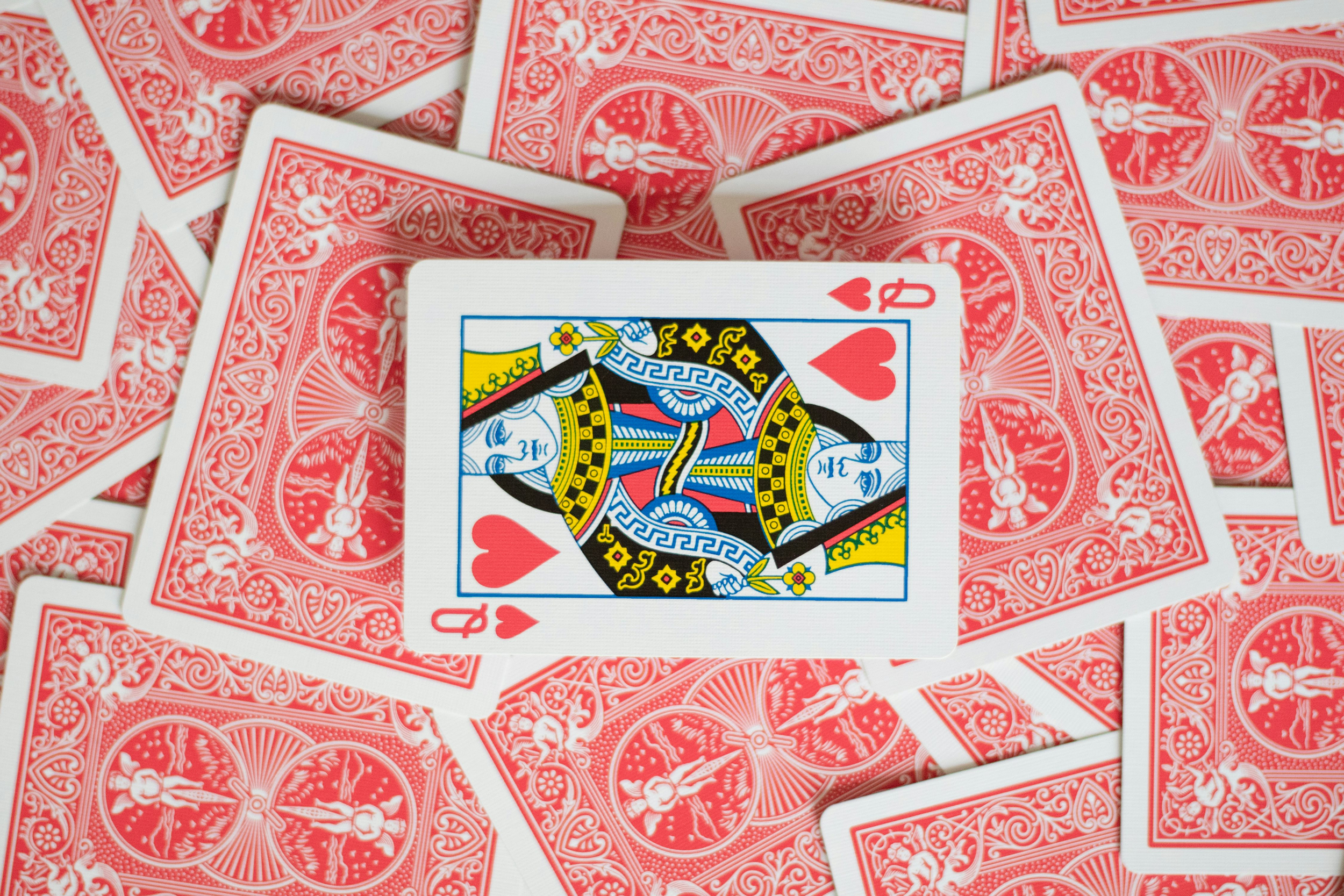
More Cards Don't Always Make a Better Card Game
More cards don't automatically create more strategy. Sometimes they can actually get in the way of it. With Monsters, Magic & Mayhem, we discovered that knowing what's in the deck can be just as important as not knowing what's coming next.
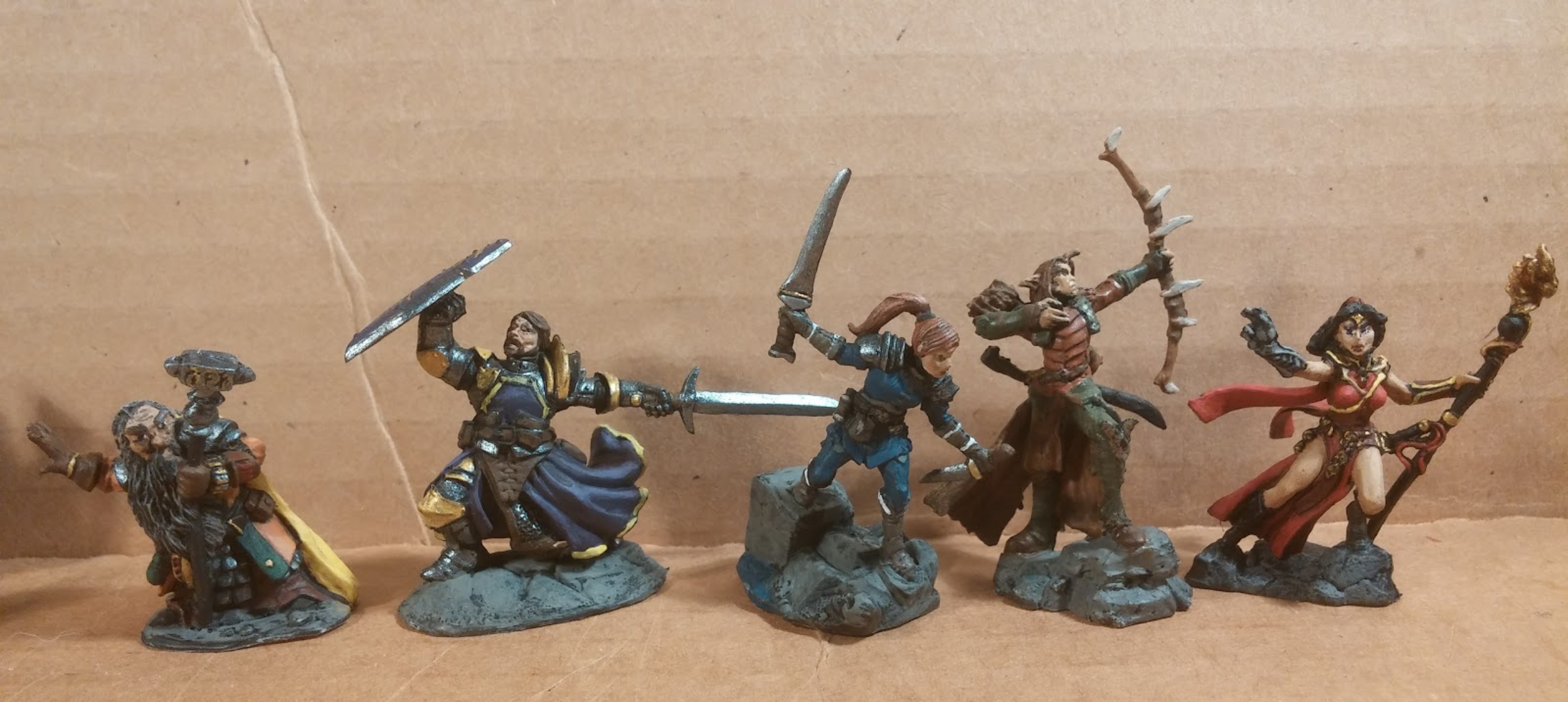
Can RPG Combat Work Without Taking Turns??
What happens when RPG combat stops asking, “Whose turn is it?” and starts asking, “What is everyone doing?” Turnless combat doesn’t mean chaos—it means finding a different kind of structure. See how overlapping actions, changing Momentum, and a battle that never stops moving can keep every character involved—and why abandoning the traditional turn may make combat feel more like the fight you’ve always imagined.

Got 10 Minutes? You Have Time for a Game.
You don't necessarily decide, “Tonight we're playing Monsters, Magic & Mayhem.” You can decide, “We've got ten minutes. Want to play?” You aren't scheduling time for the game. The game fits into the time you already have.
Why Does RPG Combat Take So Long?
A few seconds of combat in an RPG can take an hour at the table. Why?
Complicated rules are an easy target, but they aren't the whole problem. The real culprit may be all the time between the decisions, the rolls, the resolutions, and especially the waiting.
Maybe faster combat isn't about making the game simpler. Maybe it's about spending more of that time actually playing.
7 Alternatives to Traditional RPG Initiative
Traditional initiative works. But rolling initiative and cycling through the same sequence isn't the only way to organize RPG combat. From side initiative to simultaneous action, here are seven alternatives—and what each one actually changes at the table.
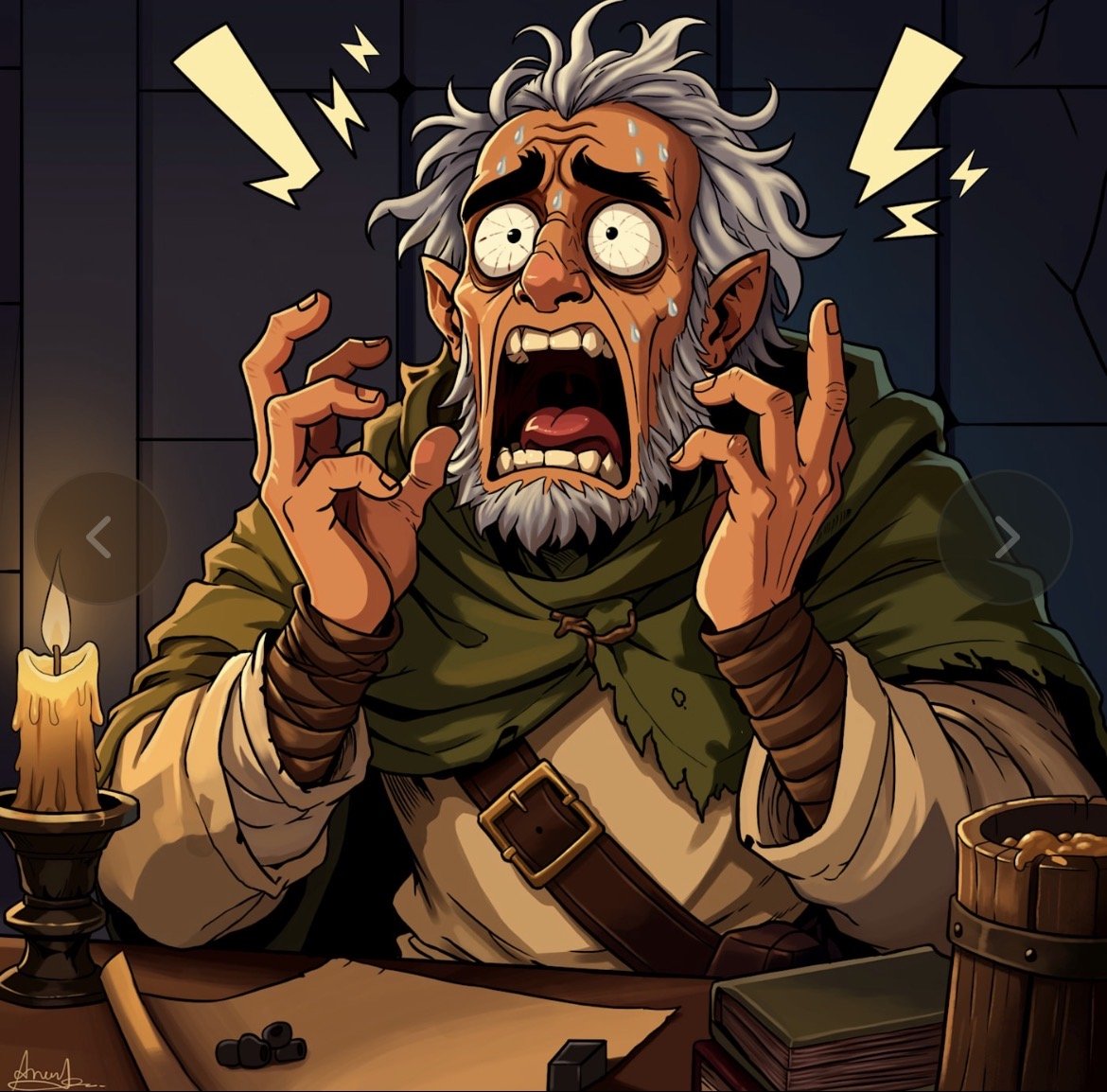
What Do You Play While You're Waiting to Play?
Monsters, Magic & Mayhem started as the game you could play while waiting for the game. Somewhere along the way, something unexpected happened. We stopped waiting for the other game.
From Placeholder to Finished Art: Building the Look of Monsters, Magic & Mayhem
If we're asking people to support the finished game, why shouldn't we show them the finished game? See how we're building the new look of Monsters, Magic & Mayhem before its return to Kickstarter.
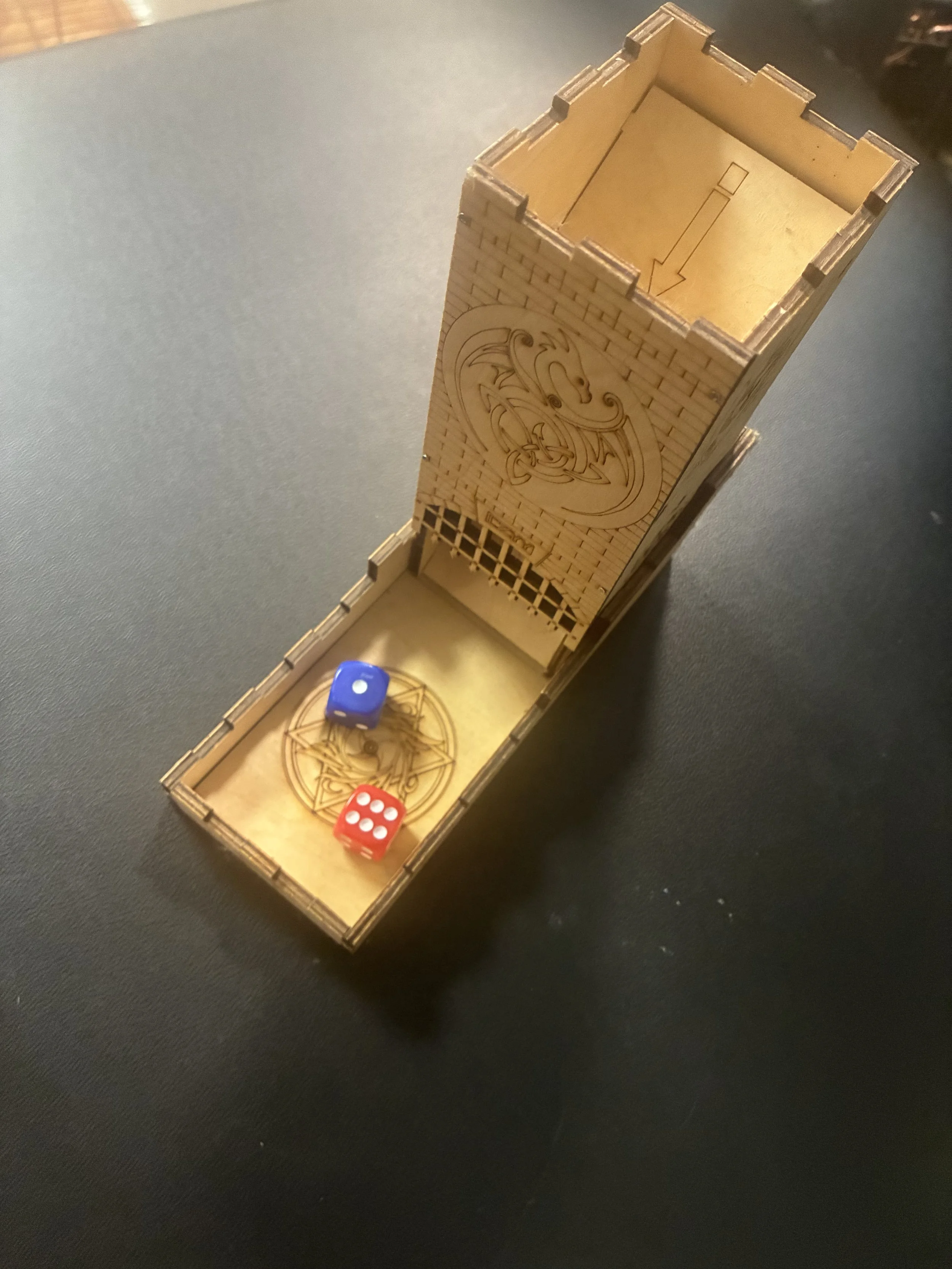
Does an RPG Really Need Initiative?
Everything is happening at once. Then someone says, “Roll for initiative.” Suddenly, nothing is happening at once.
We’ve become so accustomed to initiative in tabletop role-playing games that it’s easy to assume combat simply needs it. But does it?