
Mayhem TTRPG System
If you are tired of slow uninspiring role play sessions, Try adding a little Mayhem…
Why Mayhem?
Every tabletop RPG has its strengths, but after decades of playing fantasy roleplaying games, we kept hearing the same complaints.
“Combat becomes repetitive.”
“Initiative sucks”
“Spellcasters eventually overshadow everyone else.”
“Too much is left to the Game Master’s interpretation.”
“Hit points don’t feel realistic.”
Rather than simply accepting those problems, we asked a different question:
What if there was a better way?
Mayhem was designed from the ground up to create a world where every decision matters, every wound has consequences, and every character remains exciting to play from the first adventure to the last. And most importantly, Keep It Simple Stupid!
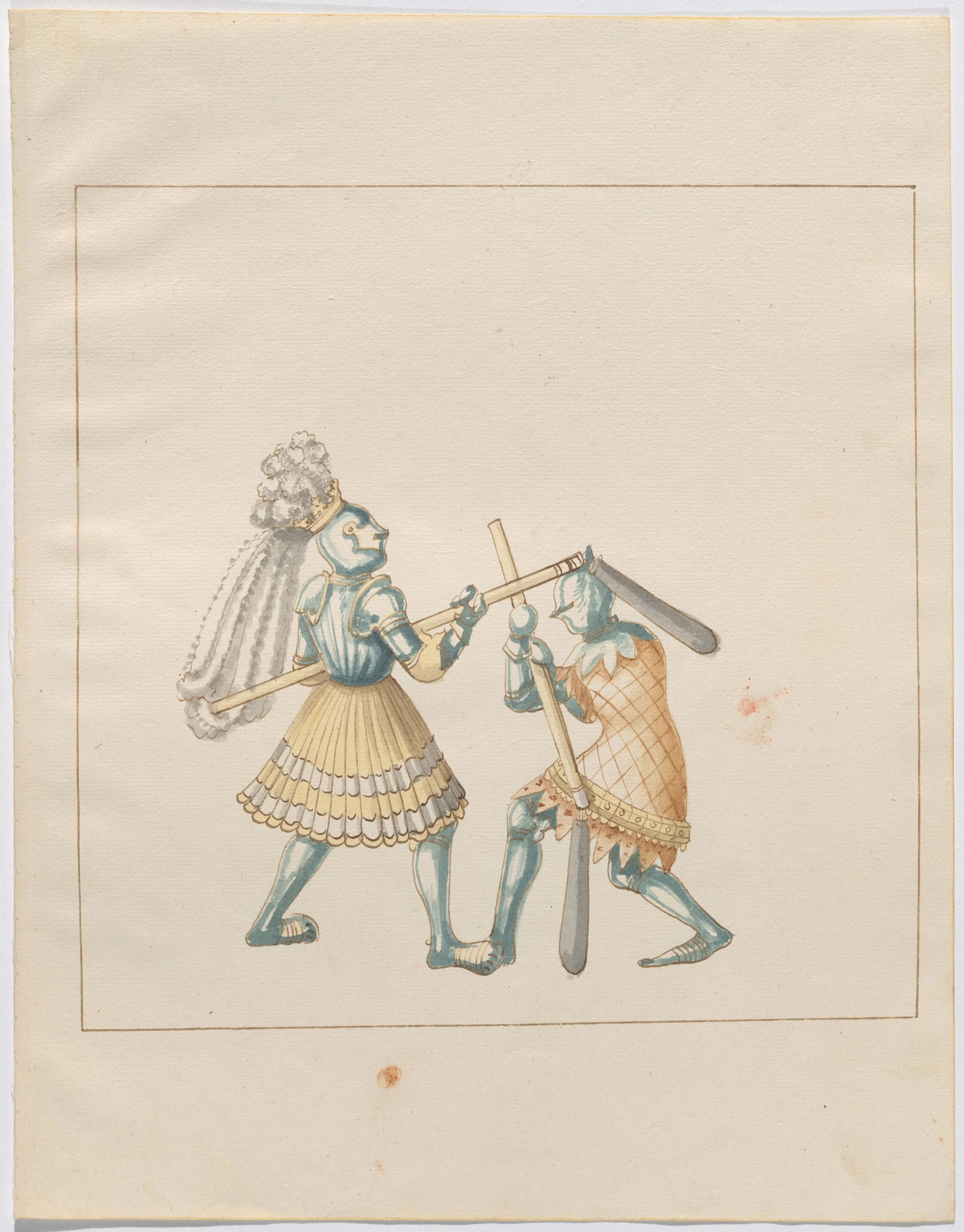
Combat That Never Stands Still
One of the biggest differences players notice immediately is that Mayhem doesn’t use Initiative.
Instead, combat is driven by the Momentum Ladder.
Momentum represents who currently controls the flow of battle. Strike well, exploit an opening, or successfully execute a Tactic Chain and your Momentum rises. Take a devastating hit or lose your footing, and Momentum falls.
The faster you become, the more often you act. Rather than waiting for your turn in a fixed initiative order, combat constantly shifts as warriors seize the advantage and desperate opponents struggle to regain it.
The battlefield becomes fluid. Every successful action changes the rhythm of the fight. Victory isn’t determined by who rolled highest before combat began. It’s determined by who controls the battle.
One Roll. One Story.
Most RPGs ask players to make multiple rolls for a single attack.
Roll to hit. Roll damage. Roll critical effects. Roll hit location. Sometimes even more.
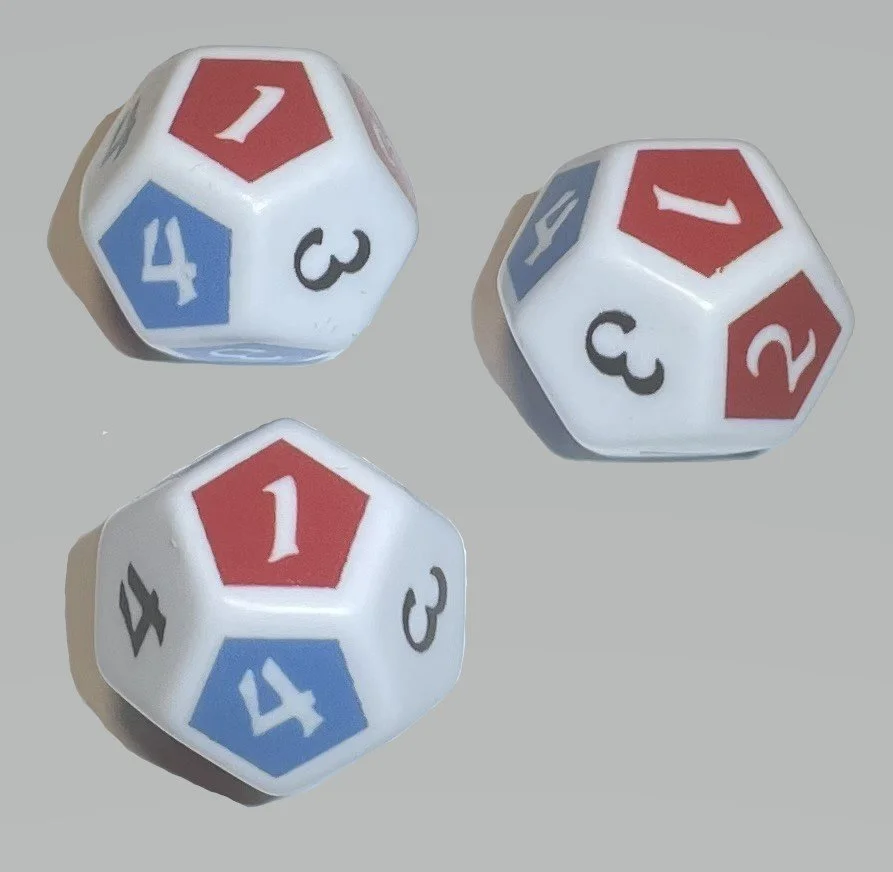
Mayhem tells the entire story with one roll.
Using three specially marked twelve-sided dice (or a standard d20 and d10), every attack instantly reveals:
· Did you hit?
· Where did you hit?
· How much damage was inflicted?
· What type of damage was dealt?
The result is combat that moves quickly while becoming more descriptive than systems requiring several separate rolls. Players spend less time resolving mechanics and more time imagining the battle unfolding before them.
Tactical Combat That Rewards Skill
There is no “best” action every round.
Combat in Mayhem is about making intelligent decisions.
Should you press the attack? Aim for an exposed limb? Force your opponent down the Momentum Ladder? Attempt a devastating Tactic Chain? Protect yourself and wait for a better opportunity?
Every weapon has unique strengths.
Armor coverage matters. Position matters.
Momentum matters. Hit Location matters.
The smartest fighter often defeats the strongest one.
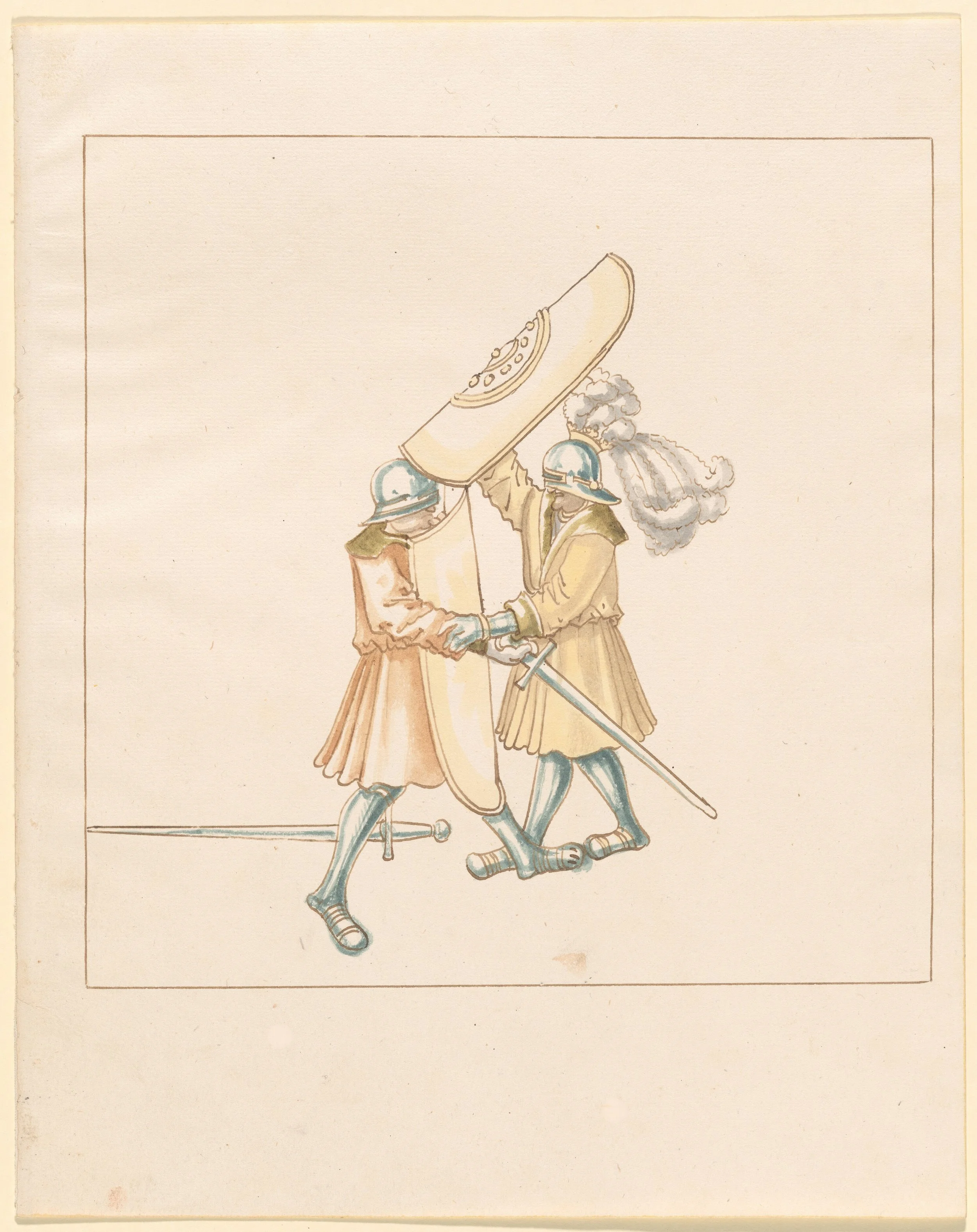
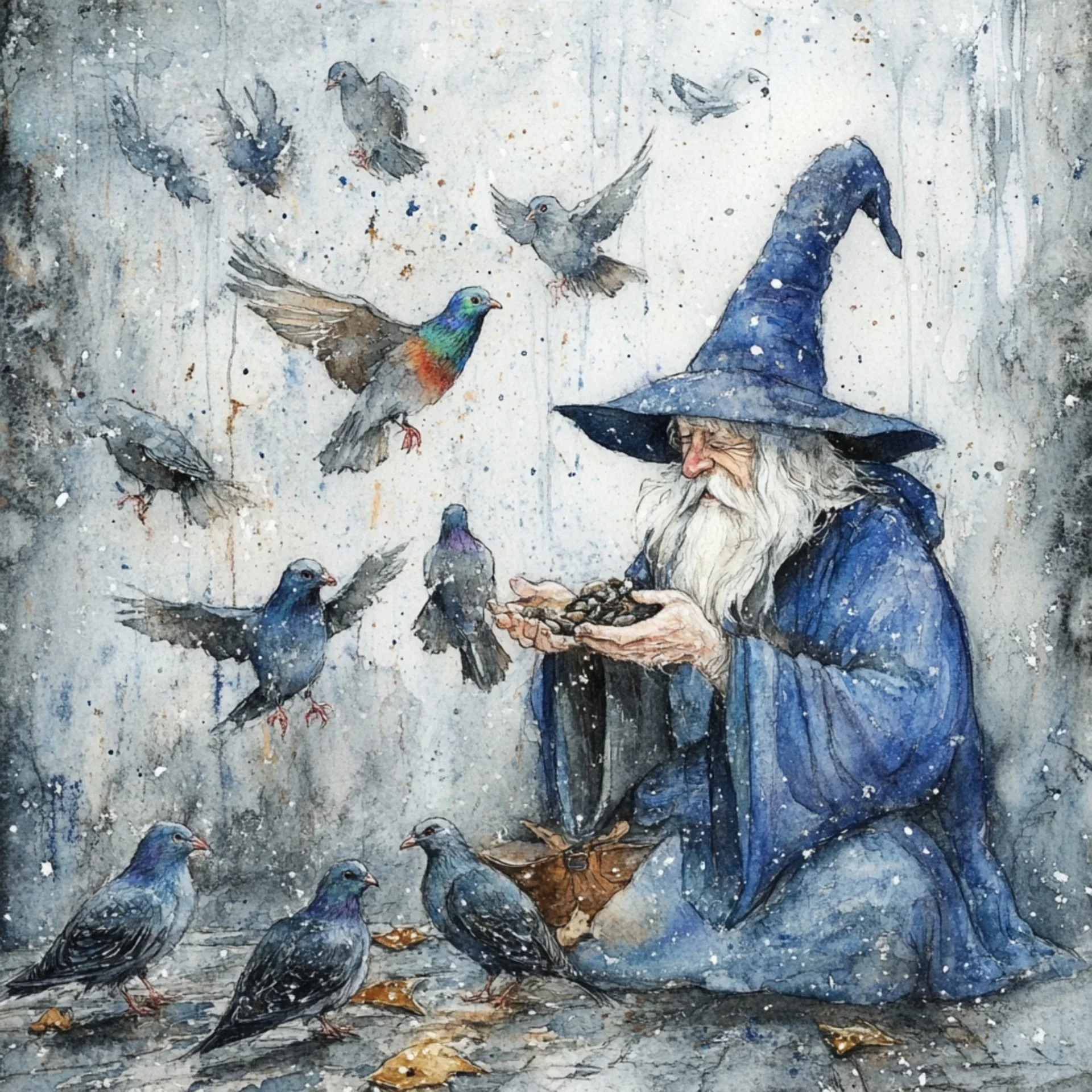
Warriors Matter.
So Do Wizards. Fantasy worlds should feel magical.
In Mayhem, they do.
Magic is common enough that almost anyone can learn a spell or two. A knight may cast a protective ward before charging into battle. An archer might enchant an arrow. A thief may create a brief illusion while escaping. Even seasoned mercenaries often know a useful spell.
Dedicated spellcasters, however, remain the true masters of magic.
They cast more reliably. They command greater Spellforce. They wield more powerful and versatile magic.
Martial heroes never become obsolete simply because they don’t wear robes. Likewise, spellcasters never become unstoppable simply because they learned enough spells. Every character has something valuable to contribute.
Magic Is Powerful Because It Must Be Earned
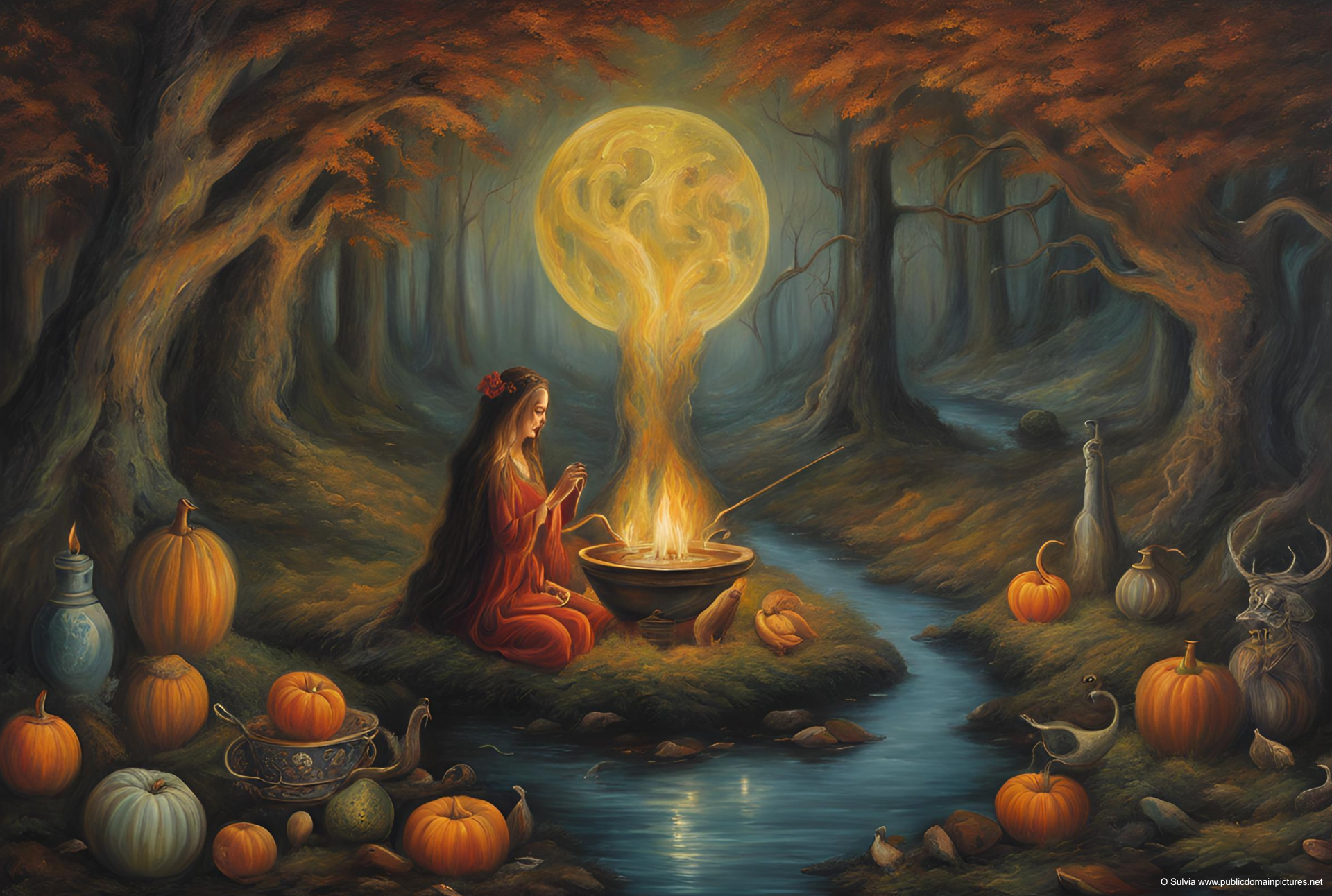
Magic in Mayhem isn’t pulled from an endless list of spells. Every spell requires real components gathered from the world. Every caster gradually discovers which materials resonate with their own magical abilities. Stronger components create stronger spells.
Rare ingredients become treasures. Preparation matters. Knowledge matters. Exploration matters. Magic becomes part of the world instead of a shortcut around it.
Pain Isn’t Injury
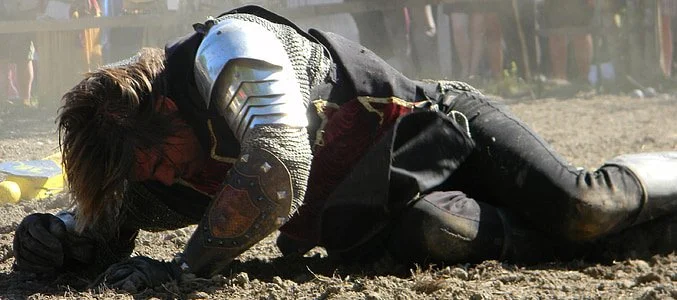
Most roleplaying games treat damage as a number. Mayhem treats it as an experience. Instead of recording every point of damage, characters possess a Damage Threshold.
Only attacks that exceed that threshold create lasting injuries. Everything else becomes pain. And pain matters.
Anyone who has ever stubbed a toe understands this perfectly.
Will it kill you?
No.
Will it make you stop what you’re doing?
Absolutely.
Pain distracts you. Pain steals Momentum. Pain changes how you fight. But it doesn’t leave a permanent wound.
Every Serious Hit Leaves a Mark
When an attack exceeds your Damage Threshold, it marks an Injury box. Hit that same area twice? It creates a Fracture.
A Fracture isn’t an abstract loss of hit points. It’s a meaningful injury. Broken bones. Deep cuts. Crushed muscles. Punctured organs. Torn ligaments. An amputated limb…
Every Fracture is recorded individually, making combat incredibly easy to track while creating lasting consequences that remain with the character long after the battle ends.
Rather than asking,
“How many hit points do I have left?”
Mayhem asks,
“How badly am I hurt?”
Every serious wound tells a story.
Rules That Support the Adventure
Many RPGs leave common situations entirely to the Game Master’s interpretation. Mayhem strives to provide clear, consistent systems while still encouraging creativity.
Detailed mechanics cover areas such as:
Carrying capacity and Packability
Armor coverage/protection
Hit Locations
Mounted combat
Injury and recovery
Environmental hazards
Spell components
Object durability
Travel
Crafting
Social interaction
Rather than constantly inventing rulings, Loremasters can spend more time telling unforgettable stories. The rules support the adventure instead of interrupting it.
A Living World
Everything in Mayhem is designed around one idea:
The world should behave like a believable place.
Armor protects the areas it actually covers. Weapons behave differently because they are different. Magic follows discoverable rules. Preparation is rewarded.
Experience creates better decisions, not simply larger numbers. Combat becomes a contest of tactics instead of mathematics.

The Mayhem Difference
Mayhem isn’t interested in making characters invincible. It’s interested in making every adventure memorable. Combat flows through Momentum instead of Initiative.
One roll resolves an entire attack.
Magic belongs to the world—not just its wizards. Warriors remain every bit as exciting as spellcasters.
Pain affects every fight. Fractures create lasting stories.
Equipment matters. Preparation matters. Every decision matters.
Because in Mayhem…
You don’t level up. You earn your Rank.